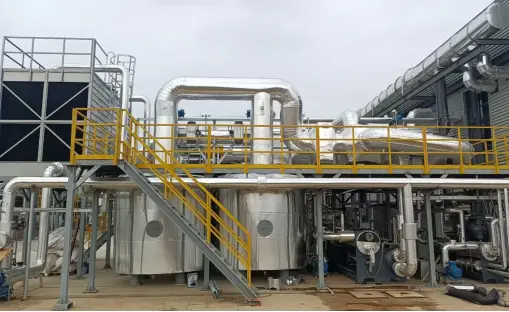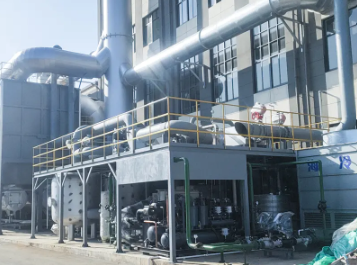
Mumbai NMP Recovery System
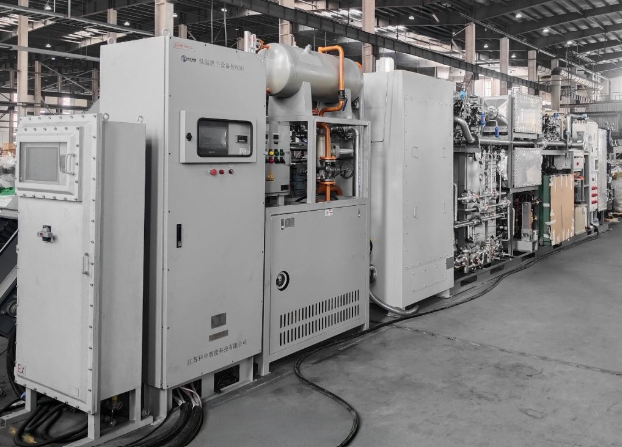
Engineered for gigafactory coating lines, recovering N-Methyl-2-pyrrolidone vapors with continuous closed-loop condensation and distillation.
View System ProfileHigh-efficiency recovery units, rotary desiccant platforms, and industrial VOC control for gigafactories and specialty chemical operations.
Engineered for gigafactory coating lines, recovering N-Methyl-2-pyrrolidone vapors with continuous closed-loop condensation and distillation.
View System Profile
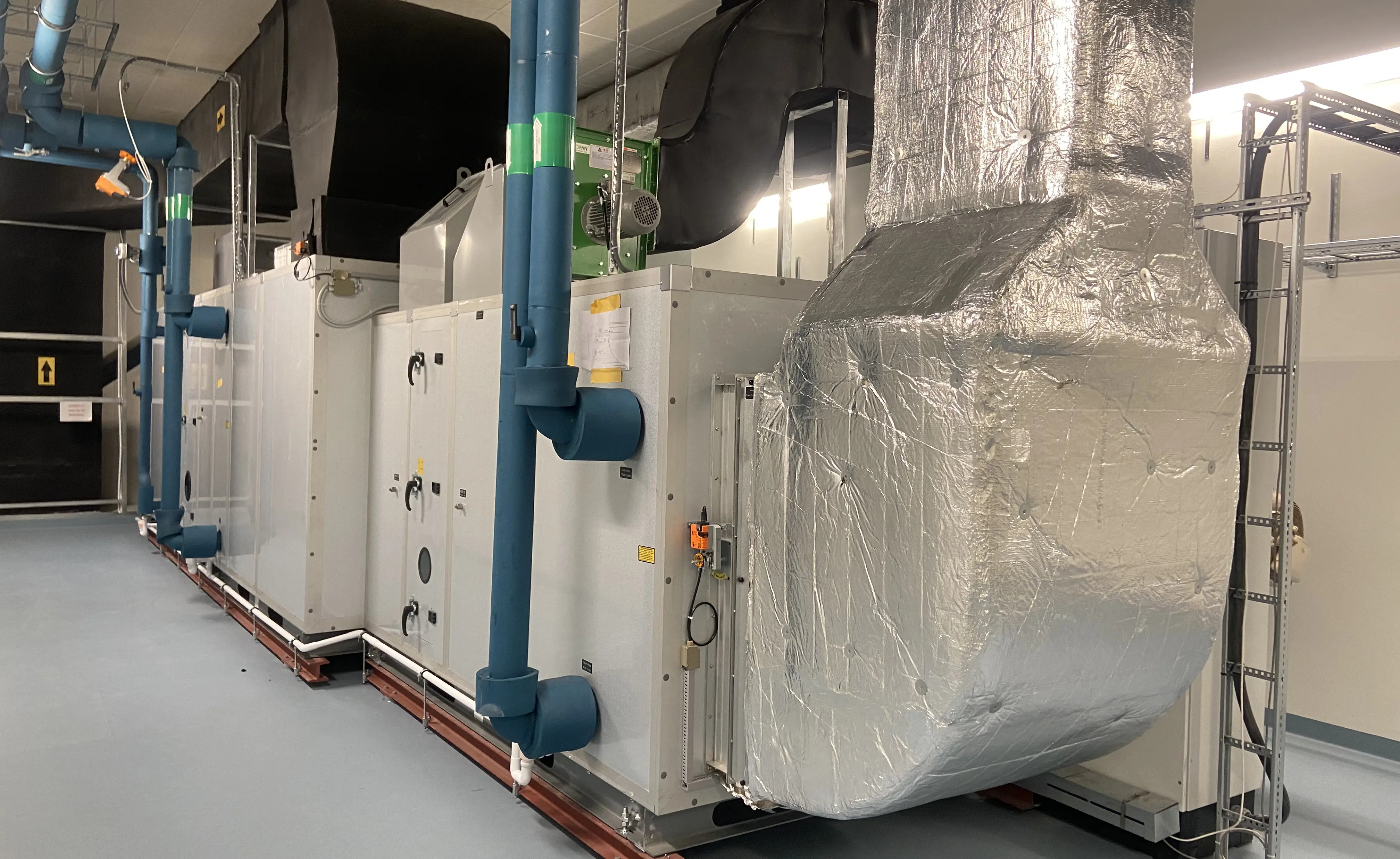
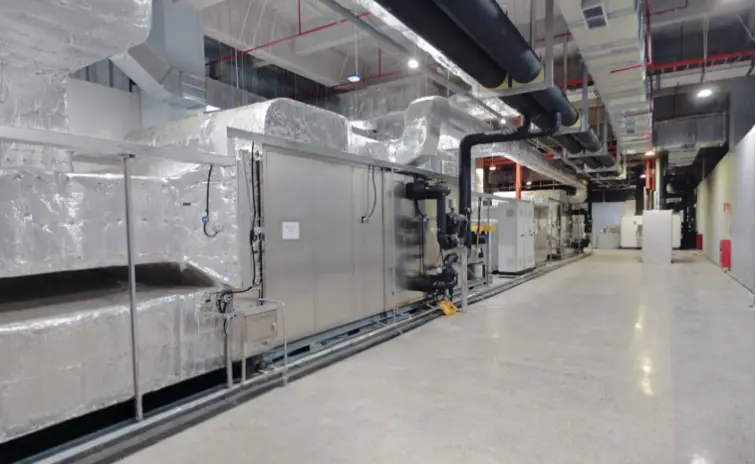
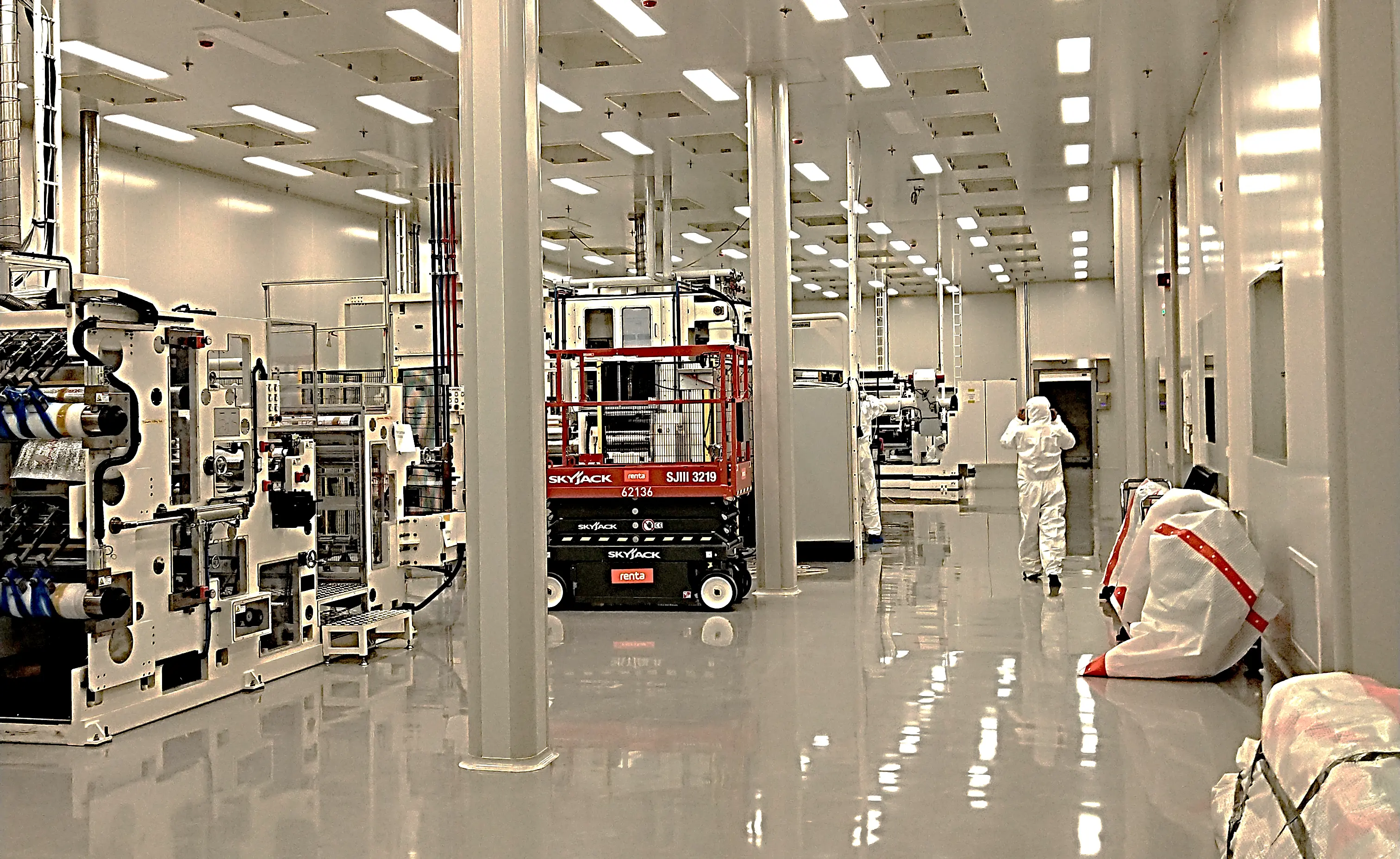
Comprehensive environmental envelope delivery including desiccant air handling, insulated ducting, tight airlocks, and integrated SCADA.
Explore Dry Rooms
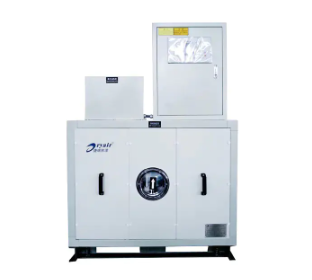
Heavy-duty rotary desiccant dehumidifiers engineered to maintain ultra-low dew points under severe tropical ambient humidity profiles.
Read Technical Specs
Hybrid volatile organic abatement uniting deep freeze chilling and thermal oxidation to exceed standard Maharashtra environmental mandates.
Inspect SolutionsThe industrial landscape across the Mumbai Metropolitan Region (MMR)—spanning key corridors such as the Thane-Belapur MIDC, Taloja, Roha, and the adjacent Pune automotive cluster—is undergoing a rapid technological shift. As global investments pour into EV cell manufacturing under India's Production Linked Incentive (PLI) scheme for Advanced Chemistry Cells (ACC), N-Methyl-2-pyrrolidone (NMP) management has migrated from an operational afterthought to a mission-critical financial and regulatory factor.
NMP is the universally relied-upon polar solvent used to solubilize Polyvinylidene Fluoride (PVDF) binders during cathode slurry manufacturing for lithium-ion battery electrodes. Because NMP exhibits a high boiling point (202°C), moderate volatility, and recognized reproductive toxicity, unmitigated emissions trigger strict regulatory scrutiny by the Maharashtra Pollution Control Board (MPCB) and the Central Pollution Control Board (CPCB). For plants processing gigawatt-scale cathode rolls, unattended exhaust venting represents both an environmental risk and an unsustainable economic expense.
Deploying closed-loop NMP recovery systems in Mumbai demands distinct engineering adaptations. The coastal monsoon environment creates extreme ambient moisture loads, where relative humidity consistently reaches 85% to 95%. Standard single-stage cooling configurations fail under these ambient parameters due to coil frosting, high water-vapor mass fractions, and dilution of the recovered liquid phase. Elite installations utilize multi-stage chilling trains paired with zeolitic adsorption concentrators to maintain recovered solvent purity above 99.8% while returning process air directly into the coating ovens.
Industrial clients evaluating capital expenditure options between domestic Indian suppliers and premier international systems typically contrast two dominant technical routes:
| Evaluation Parameter | DryAir Integrated Multi-Stage Cryo-Loop | Conventional Water Scrubbing Towers |
|---|---|---|
| Raw NMP Recovery Rate | ≥ 99.0% to 99.5% | 90.0% – 93.0% |
| Recovered Liquid Water Content | < 5% wt (Direct rectification feed) | > 70% wt (Requires intense steam boiling) |
| Thermal Energy Recycling | Integrated heat exchangers pre-heat return air | Zero heat recovery; complete energy loss |
| Stack VOC Concentration | < 10 mg/m³ (Complies with EU/MPCB norms) | Variable (Often > 50 mg/m³ during peak loads) |
| Lifecycle Carbon Intensity | Optimized for high-yield Gigafactory loops | Heavy wastewater treatment burden |
Comprehensive technical ranking of domestic engineering champions and global Tier-1 providers actively executing installations across Maharashtra and greater India.
Holds 30%+ share in major lithium sectors globally. Renowned for end-to-end turnkey packages combining -70°C dew point dry rooms with ≥99% NMP recovery systems. Trusted supplier for Tesla, Northvolt, and CATL.
A flagship Indian energy and environment conglomerate. Provides wet scrubbing and absorption technology for bulk chemical plants, with growing expertise in local VOC abatement across Maharashtra.
Swedish air treatment multinational with established sales presence in India. Excels in VOC mass transfer, rotor concentration, and humidity control systems for pharmaceuticals and industrial plants.
German environmental engineering provider delivering advanced condensation solvent recovery alongside thermal regenerative oxidizers (RTOs) for large-scale automotive electrode coating operations.
India-headquartered desiccant dehumidification manufacturer with operations in Mumbai. Specializes in low dew point air treatment with custom absorption technologies for chemical processes.
Global environmental solutions company offering vapor recovery and oxidation. Delivers customized solvent capture trains for industrial chemical manufacturers seeking zero-flame emission paths.
Subsidiary of Japan's Taikisha Ltd., delivering cleanroom HVAC, paint shop ventilation, and NMP recycling for battery and electronic lines in Pune and western industrial zones.
Provides fluid separation, high-efficiency wet scrubbers, and industrial air filters for chemical and petrochemical sites in Mumbai, ensuring MPCB air compliance.
Austrian developer of environmental gas purification technologies, providing thermal recovery, catalytic processes, and condensation solvent recovery units for multinational facilities.
Specialized fabrication firm serving MIDC belts in Maharashtra with solvent distillation columns, standard multi-column stripping plants, and condenser configurations for bulk chemicals.
Industrial operations in the Mumbai region face distinct climate and infrastructure conditions. Operating solvent recovery systems along the coastal Konkan belt requires addressing three environmental and operational dynamics:
Mumbai experiences continuous ambient dew points exceeding 26°C to 28°C during peak monsoon months. Intake air without high-integrity dry-room pre-cooling introduces moisture directly into cathode lines, contaminating NMP condensate and risking side reactions with PVDF binders.
High concentrations of airborne marine chlorides from the Arabian Sea accelerate corrosion on external finned-tube exchangers and ductwork. DryAir configurations use marine-grade 316L stainless steel for wetted recovery parts and electro-coated copper heat exchangers.
Industrial plants in Taloja and Mahape operate under stringent continuous emission monitoring system (CEMS) protocols. Our systems feature dual-redundant photoionization detection (PID) sensors that provide online stack logging verified below national threshold levels.
As battery manufacturing advances toward 4680 cylindrical formats and solid-state architectures, solvent recovery systems must manage higher throughputs with lower energy intensity. The DryAir R&D engineering group is deploying three core platform upgrades for projects across the subcontinent:
Traditional NMP recovery extracts crude liquid with 15% to 20% water content, which requires off-site tanker transport for third-party refining. Our on-site rectification columns utilize vacuum fractional distillation to achieve high battery-grade purity (>99.8% with water content <100 ppm) right at the plant boundary, returning distilled solvent directly into electrode slurry mixing.
Electrode baking ovens represent the single largest thermal load in cell manufacturing. By integrating sensible plate exchangers directly across the NMP exhaust and intake streams, the system recovers sensible and latent heat to pre-heat make-up air up to 110°C, lowering gas burner or electrical heater consumption by up to 38%.
Coastal weather shifts between dry spells and sudden tropical monsoon downpours require dynamic system responses. Our smart control systems use predictive feedforward algorithms to adjust desiccant wheel rotor rotation, regeneration reactivation heaters, and chiller valves up to 15 minutes before external ambient humidity changes destabilize production room dew points.
Get customized psychrometric calculations and capital expenditure estimations within 24 hours.
Review our full range of desiccant rotors, turnkey systems, refrigeration modules, and VOC emission abatement platforms.
DHU series rotary desiccant dehumidifiers deliver stable low-dew-point air where refrigeration alone cannot reach — from battery dry rooms to military storage.
View Specifications
Complete humidity-controlled rooms — enclosure, air handling, dehumidification, controls and validation — delivered under a single engineering contract.
Explore Dry Rooms
Captures N-Methyl-2-pyrrolidone from electrode coater exhaust for reuse, cutting solvent spend and industrial stack emissions.
Learn More
Deep-cooling condensation and regenerative thermal oxidation to treat complex VOC waste gases and capture process oil vapors.
Learn More
Cost-effective moisture removal for warehouses, workshops and pre-cooling stages ahead of desiccant systems in coastal regions.
Learn More
Global field engineering, on-site commissioning, factory acceptance testing (FAT), and rapid spare-parts deployment pipelines.
Global Service
Read in-depth case studies, maintenance procedures, psychrometric control strategies, and solvent distillation whitepapers.
Hot Blog
Browse design specifications, process formulas, certified export standards, and global environmental compliance classifications.
Top Search KeywordsKey procurement and engineering questions addressed by our technical team.
Connect directly with our senior HVAC and solvent recovery engineering team. We supply full thermal mass balance reports, layout schematics, and commercial quotes tailored for facilities across Mumbai, India, and worldwide.