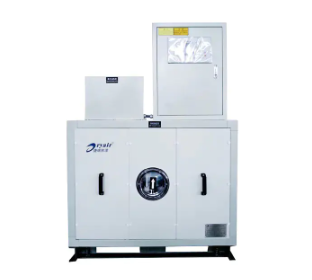
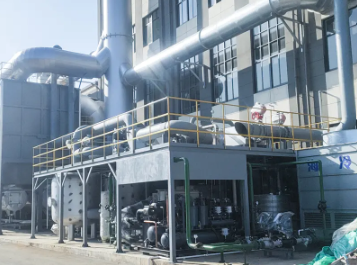
Across the global manufacturing landscape, the transition toward high-energy-density lithium-ion battery architectures, solid-state electrolytes, sodium-ion prototypes, and hygroscopic pharmaceutical compounds has fundamentally altered microclimate requirements. Where industrial HVAC once prioritized simple human comfort (45%–55% Relative Humidity at 22°C), cutting-edge production facilities now mandate tightly calibrated moisture-deprived environments down to -40°C, -50°C, and -70°C dew point. At these levels, the moisture content in the air is reduced to mere parts per million (ppm), preventing catastrophic chemical side reactions, exothermic risks, and product shelf-life degradation.
Within this global shift, Uruguay occupies a uniquely advantageous position. Known as Latin America's renewable energy leader—generating over 98% of its national electrical grid power from hydro, wind, solar, and biomass—the nation has become a primary target for clean technology investments, green hydrogen pilot facilities, and advanced logistics corridors within the Mercosur zone. From the tech hubs of Zonamerica and Parque de las Ciencias in Canelones to the deepwater maritime terminals of Montevideo, Uruguayan industries are expanding beyond traditional commodities into value-added pharmaceutical synthesis, medical biotechnology, and battery pack assembly for grid stabilization.
However, operating ultra-low dew point systems in Uruguay introduces distinct psychrometric challenges. Uruguay's temperate, maritime climate frequently experiences high ambient humidity (>80% RH throughout the Río de la Plata estuary and coastal regions). Introducing untreated or inadequately dehumidified air into cell assembly or sterile packaging cleanrooms induces immediate condensation and rapid saturation of primary filtration units. Hangzhou DryAir addresses this specific challenge through proprietary dual-rotor cascading desiccant dehumidification loops, multi-stage pre-cooling coils, and hermetically sealed sandwich wall construction, ensuring steady-state performance regardless of exterior weather fluctuations.

 DP -70°C