
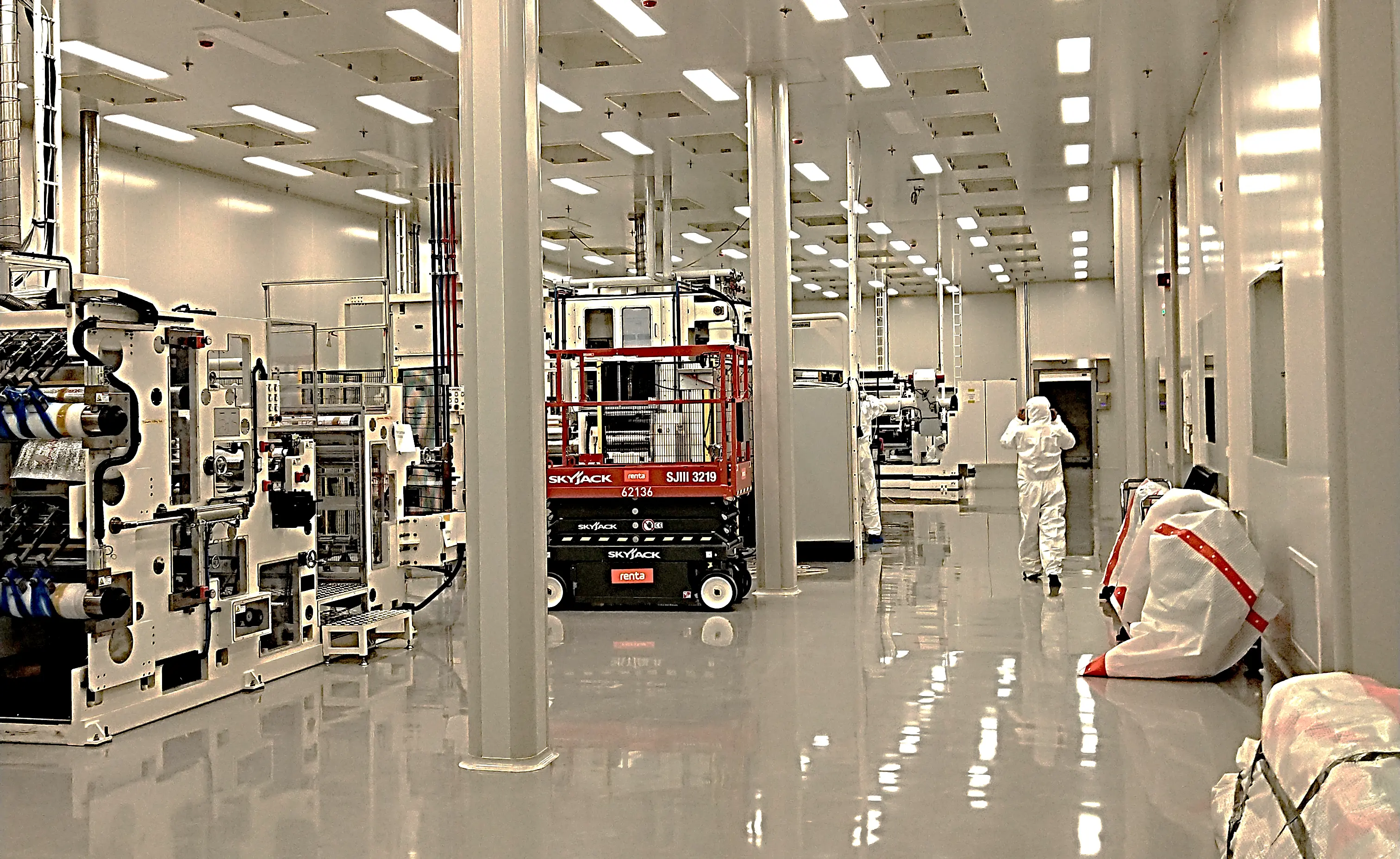
 DP -40°C to -70°C
Turn-key Dry Room System (Thailand Gigafactory EPC)
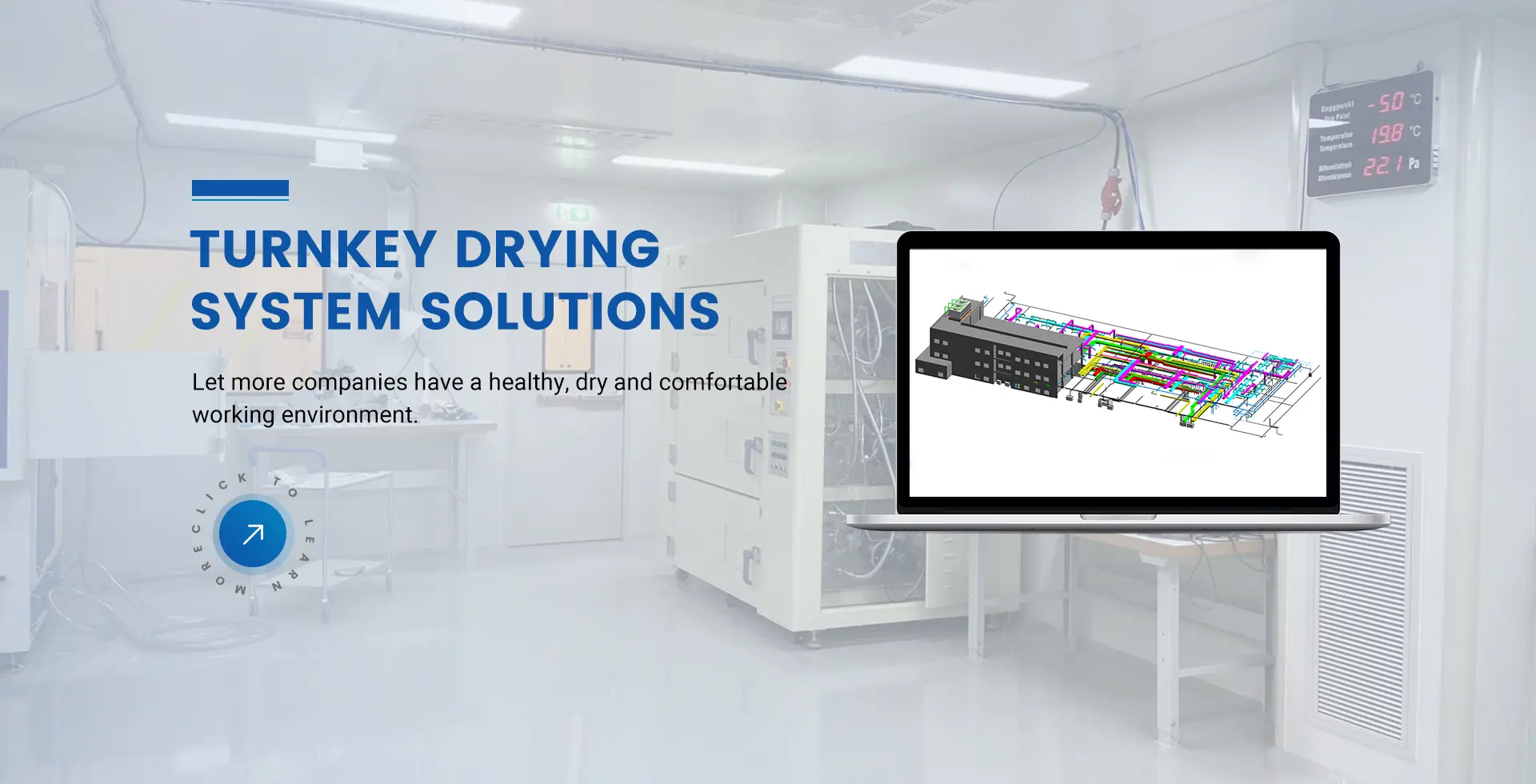
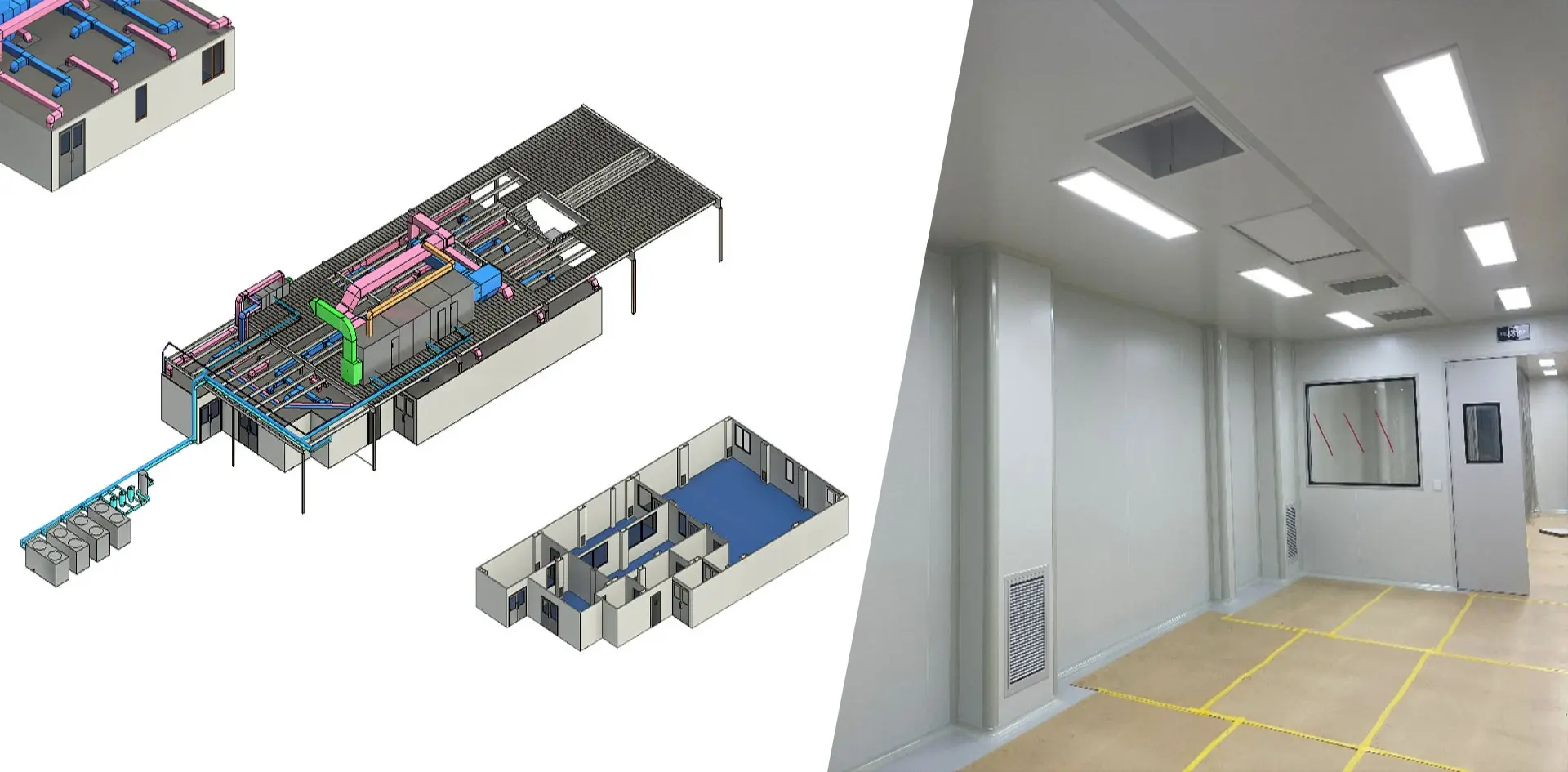
Integrated airtight envelope, cascaded desiccant air handlers, airlocks, and microclimate controls engineered for EV battery cell assembly in Chonburi and Rayong.
Factory-verified rotary desiccant, cleanroom enclosure, and solvent recovery systems certified under CE, UL, CSA, ASME, and EAC standards for fast deployment across Thailand.
DP -40°C to -70°C
Integrated airtight envelope, cascaded desiccant air handlers, airlocks, and microclimate controls engineered for EV battery cell assembly in Chonburi and Rayong.
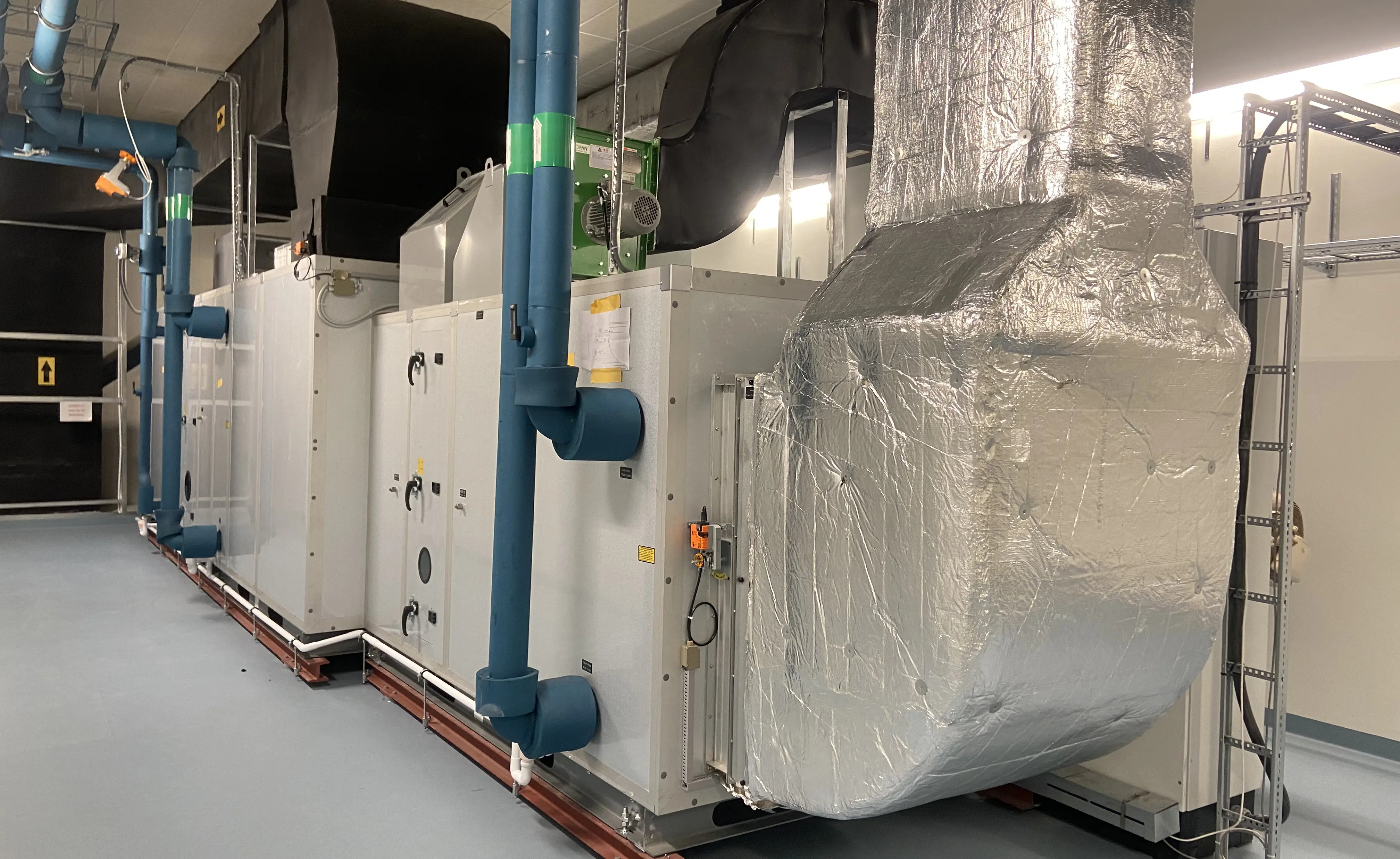 Airflow to 60,000 CMH
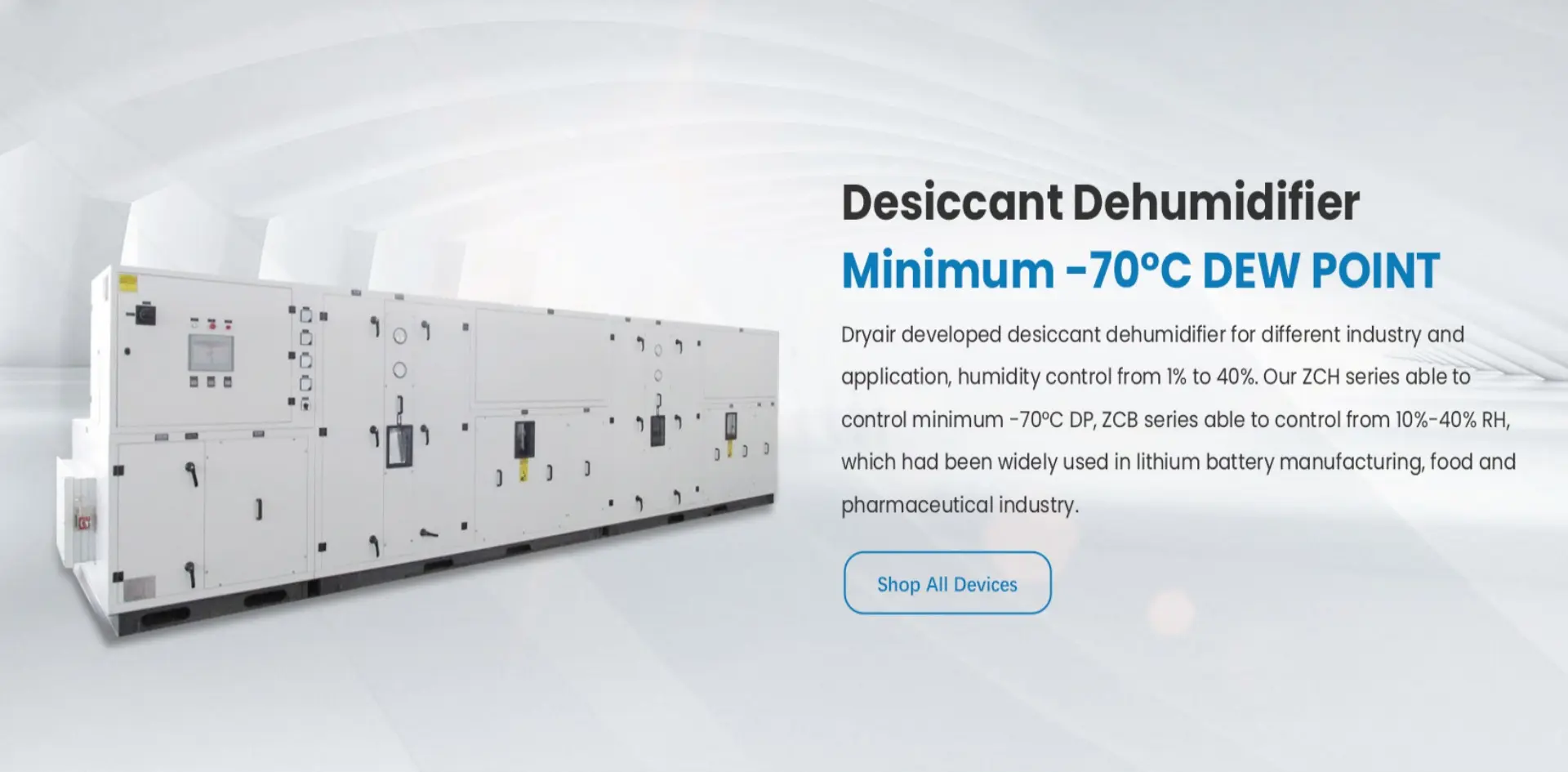
Double-rotor desiccant air treatment capable of driving process supply air down to -70°C dew point while rejecting extreme tropical latent ambient moisture loads.
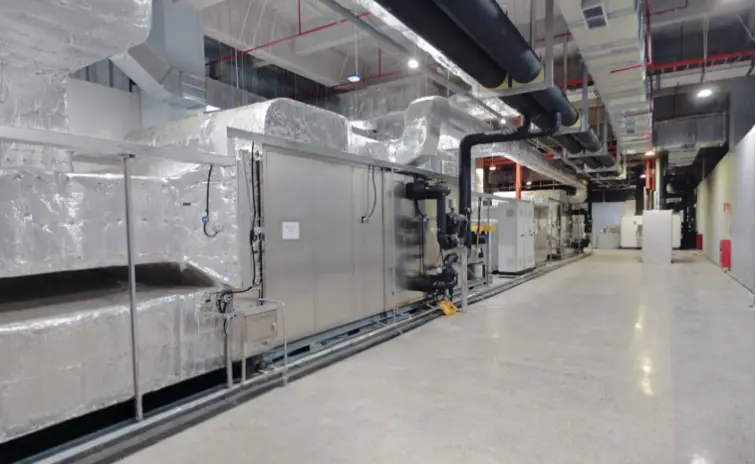 Recovery ≥99%
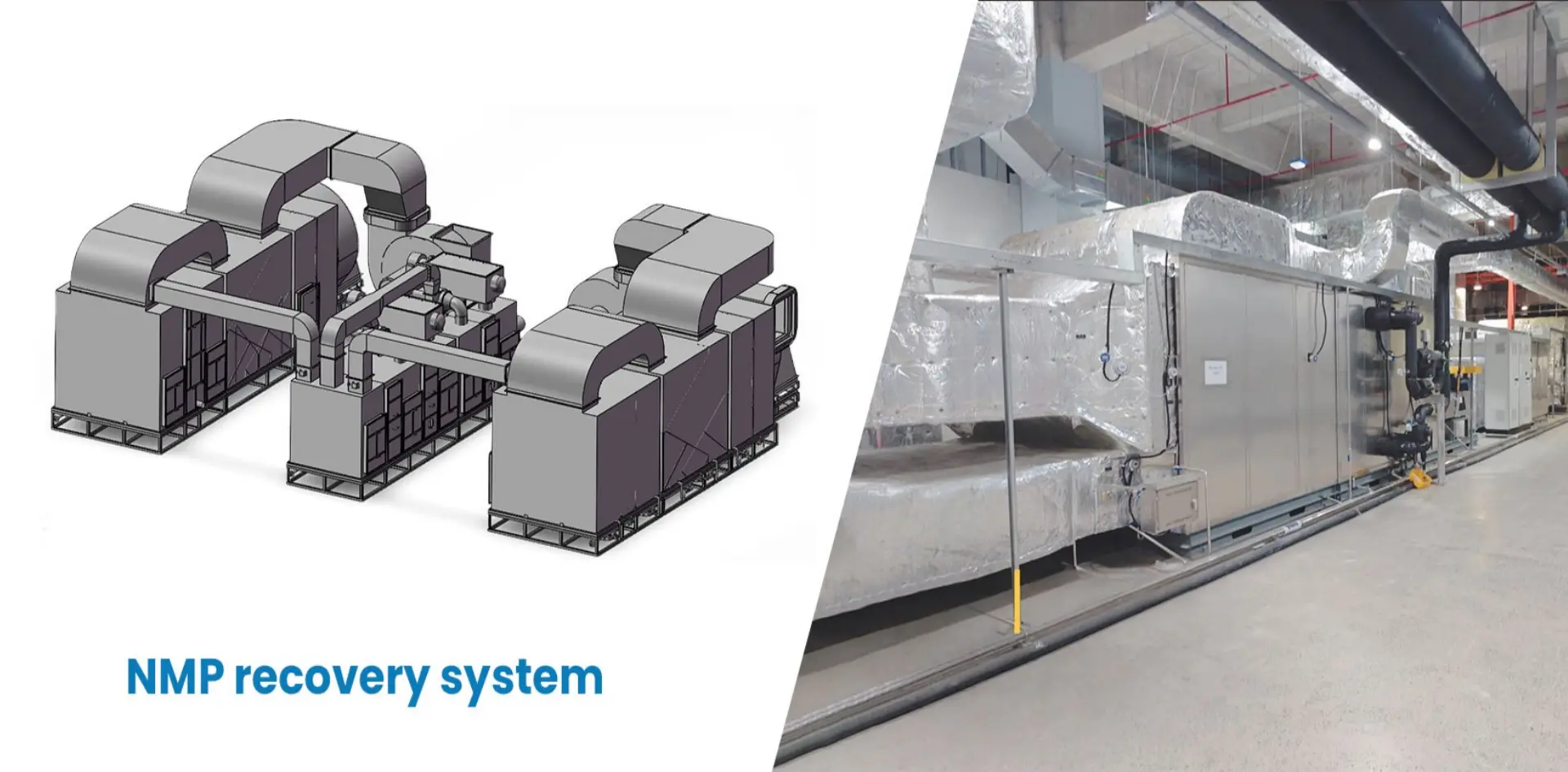
High-efficiency solvent condensation and rotor adsorption for cathode coating lines, slashing raw NMP solvent costs and ensuring full compliance with Thai DIW regulations.
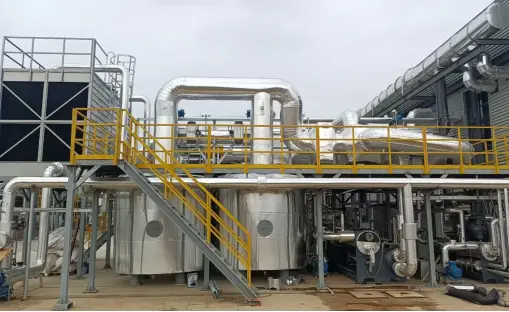 Thermal Eff. ≥95%
Combines cryogenic refrigeration condensation with regenerative thermal oxidation (RTO) to abate hazardous volatile organic exhausts with minimal supplemental fuel.
The Kingdom of Thailand is rapidly cementing its status as the electric vehicle (EV) and clean energy capital of Southeast Asia under the government's ambitious "30@30" National EV Roadmap. This initiative aims for zero-emission vehicles to comprise at least 30% of total automotive production by 2030. Centered within the Eastern Economic Corridor (EEC)—specifically spanning Chonburi, Rayong, and Chachoengsao provinces—global battery manufacturers, automotive OEMs, and advanced semiconductor packaging facilities are erecting multi-gigawatt production capacities at an unprecedented pace.
However, operating ultra-low humidity dry rooms in Thailand presents severe, non-negotiable thermodynamic challenges that differ fundamentally from temperate European or Northern Chinese installations. Thailand experiences a relentless tropical monsoon climate characterized by outdoor design wet-bulb temperatures regularly exceeding 29°C to 30°C and ambient relative humidity oscillating between 80% and 95% during the prolonged monsoon season. The ambient air moisture content frequently hits 24 to 28 grams of water per kilogram of dry air (g/kg).
In lithium-ion cell production, cathode preparation, automated cell assembly, and electrolyte filling require supply air dew points ranging from -40°C down to -70°C (equivalent to moisture contents below 0.01 g/kg to 0.0016 g/kg). If standard commercial HVAC or inadequately engineered single-stage desiccant units are deployed, the enormous latent moisture load will overwhelm cooling coils, cause rapid rotor saturation, trigger severe moisture migration through panel seals, and lead to catastrophic hydrofluoric acid (HF) generation inside lithium battery cells.
Hangzhou DryAir Treatment Co., Ltd. (founded 2010) brings over a decade of tier-one gigafactory execution experience directly to international contractors and manufacturing consortia setting up plants in Thailand.
DryAir has engineered and commissioned mission-critical microclimates for world-leading battery pioneers including CATL, ATL, BYD, EVE Energy, Farasis, Envision AESC, SVOLT, Tesla, Northvolt, and TTI. We know the exact latent loads produced by automated machines and personnel.
With an active manufacturing volume exceeding 200+ specialized dehumidification units per month, our Hangzhou manufacturing center controls sheet metal fabrication, heat exchanger assembly, proprietary rotor seal machining, and comprehensive pre-shipment FAT testing.
Recognizing the premium cost of electricity in Thailand's industrial parks (typically THB 4.0 to 4.8 per kWh), our systems employ dual-wheel cascaded desiccant systems, chilled-water pre-cooling coils, and integrated heat-pump regeneration loops to cut operating expenditure by up to 35%.
From the high-tech estates of WHA Chonburi and Amata City Rayong to Bangkadi Industrial Park, DryAir systems deliver strict microclimate repeatability across critical processes.
Liquid electrolyte reacts instantaneously with atmospheric moisture to form hydrofluoric acid ($HF$), degrading separator layers and causing thermal runaway hazards. Our dry room envelopes guarantee supply air dew points of -50°C to -70°C under strict ISO 6 or ISO 7 cleanroom cleanliness ratings.
Thailand's electronics manufacturing export base in Pathum Thani and Ayutthaya demands pinpoint relative humidity stability ($\pm 2\%$ RH) to prevent wafer surface oxidation, electrostatic discharge (ESD) failures, and solder bridging defects during delicate surface-mount processes.
Moisture absorption leads to powder caking, loss of enzymatic potency, and clumping during high-speed blister packing and capsule filling. We engineer GMP-compliant dehumidification systems holding relative humidity at 10% to 20% RH with integrated HEPA filtration.
In low-dew-point environmental engineering, oversizing capital equipment leads to runaway electrical consumption, while undersizing causes yield collapse during peak monsoon weeks. Below are verified engineering benchmarks applied across our Thailand installations.
| Target Application | Process Dew Point / RH | System Architecture | Cleanliness Class | System Direct Action |
|---|---|---|---|---|
| Lithium-ion Cell Assembly & Electrolyte Filling | -40°C to -60°C DP | Dual-wheel Rotary Desiccant + Double Chilled Water Coils | ISO Class 6 to 7 | Inspect Dry Room |
| Solid-State & Lithium-Metal Battery R&D | Down to -70°C DP | Low-dew-point DHU Unit + Molecular Sieve Desiccant Matrix | ISO Class 5 to 6 | View Rotor Specs |
| Cathode Slurry Drying & Exhaust Solvent Capture | ≥99% NMP Recovery | ZJRH Dual Condensation Tower + Carbon/Rotor Polisher | Industrial Exhaust | Explore NMP Recovery |
| Hygroscopic Pharma Granulation & Capsule Filling | 10% to 25% RH | Rotary Desiccant Dehumidifier with Heat Pipe Economizer | GMP Grade A/B/C | View Pharma Unit |
| Electronics, Automotive Wire Harness & Optical Sensors | 30% to 40% RH | Refrigerative Dehumidifier + Medium-range Desiccant Polisher | ISO Class 8 | View Refrigerative |
| Chemical Tank Vapors & High VOC Industrial Exhaust | DIW Emission Limits | Deep-Cooling VOC Condenser + 3-Bed Regenerative Thermal Oxidizer | Hazardous / Ex-proof | Inspect VOC Systems |
Our five-stage delivery protocol minimizes project schedule risk, coordinates with local Thai general contractors, and guarantees verified dew point achievement prior to commercial handover.
Comprehensive audit of customer equipment layout, human latent loads, door opening frequencies, and extreme local outdoor weather peak profiles in Thailand.
Simulation of sensible/latent heat balancing, airflow distribution 3D modeling, energy recovery coil selection, and hermetic cleanroom enclosure engineering.
Rigorous pre-assembly at our ISO 9001 certified plant. Every rotary desiccant unit undergoes complete electrical and full moisture-removal testing prior to seaport export.
Deployment of experienced DryAir supervisory engineers for cleanroom wall erection, vapor barrier caulking, ductwork insulation, and precision balancing.
Continuous 72-hour operational data logging to validate -40°C to -70°C dew point stability under full load. Supported by local service agreements and fast-response spare parts.
When global tier-1 procurement directors source turnkey dry rooms for projects in Thailand, evaluating proposals solely on initial capital expenditure (CAPEX) is dangerous. Because dehumidification runs continuously 24/7/365, operational energy consumption (OPEX) accounts for over 75% of total system lifecycle cost within the first five years of battery plant operation.
Key technical indicators that separate elite industrial systems from substandard offerings include:
Authoritative guidance on dew point control, tropical environmental loads, certification compliance, and lifecycle maintenance for Thai projects.
Send us your project floor plan, cleanroom layout, personnel occupancy, and required process dew point. Our senior HVAC engineering team will calculate your heat & moisture balance sheet within 24 hours.
Explore DryAir's complete lineup of certified environmental control hardware, cleanroom enclosures, solvent scrubbers, and energy-recovery dehumidifiers.
 Lithium Battery EPC
Complete hermetic envelope, air distribution ducting, positive pressure balancing, and deep-dehumidification validation under a single turnkey contract.
 DP -70°C Control
High-capacity double-rotor desiccant air handlers providing ultra-low dew point air to lithium cell filling zones, military storage, and precision optics assembly.
 Recovery ≥99%
Closed-loop solvent recovery eliminating toxic emissions while capturing valuable N-Methyl-2-pyrrolidone solvent for distillation and immediate production reuse.
 RTO + Cooling
Engineered deep-cooling condensation alongside high-efficiency Regenerative Thermal Oxidizers (RTO) to abate aggressive chemical fumes and ensure DIW compliance.
High-efficiency mechanical refrigeration units used for warehouse humidity reduction, raw material staging, and as high-capacity pre-cooling ahead of desiccant wheels.
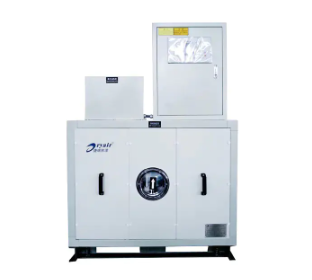 GMP Clean Area
Hygroscopic powder processing, tablet compression, and soft-gel encapsulation dehumidifiers designed to uphold strict PIC/S and Thai FDA sanitary standards.
 GJB Certified
Engineered environmental preservation enclosures built to military standards, keeping sensitive avionics, radar components, and munitions free from tropical humidity corrosion.
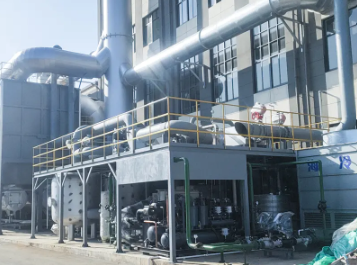 Petrochemical
Specialized deep-refrigeration condensation units designed to trap volatile hydrocarbon vapor during bulk liquid transfer, fuel storage, and chemical vessel filling.