Global Engineering Precision • Tokyo Industrial Hub

VOC Abatement System Company & In the World Serving Tokyo

High-efficiency zeolite rotor concentration, regenerative thermal oxidation (RTO), and precision NMP solvent recovery engineered for Tokyo Bay’s electronic, chemical, and advanced battery gigafactories.

TeslaNorthvoltCATLATLBYDEVE EnergyFarasisEnvisionSVOLTTTI TeslaNorthvoltCATLATLBYDEVE EnergyFarasisEnvisionSVOLTTTI
≥99%
VOC & NMP Solvent Recovery Rate
-70°C
Ultra-Low Supply Dew Point
200+
Units Factory Output / Month
30%+
Market Footprint in Advanced Dehumidification
Flagship Systems

Featured Industrial Environmental Engineering for Tokyo

Engineered for absolute process compliance, volatile organic compound containment, and extreme psychrometric control across the Greater Tokyo Industrial Corridor.

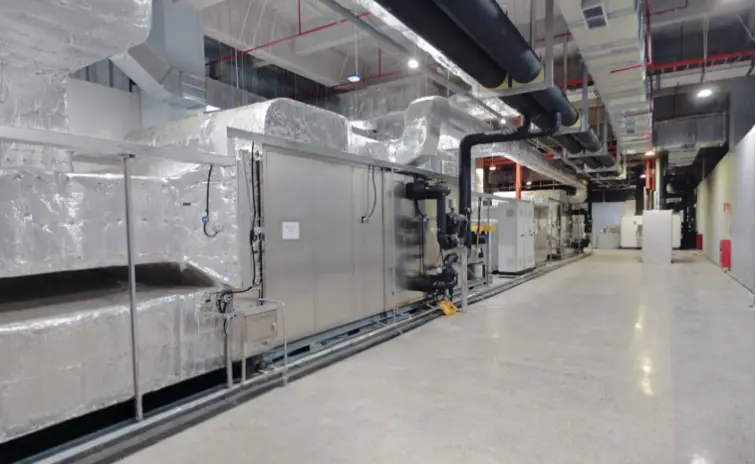
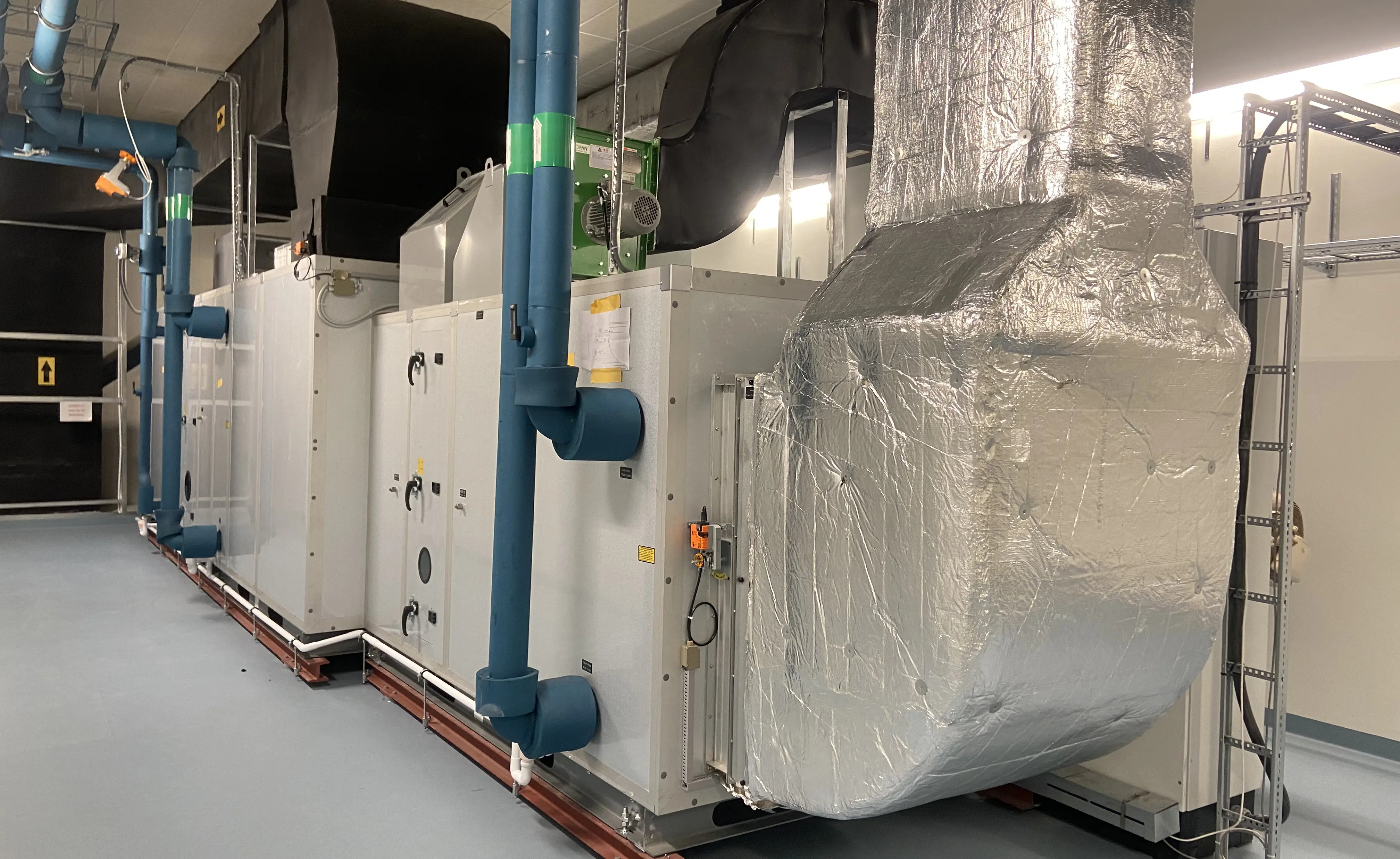
Tokyo Industrial Desiccant Dehumidifier Unit DP -70°C

Tokyo Low Dew Point Desiccant Dehumidifier

Rotary desiccant systems achieving steady -70°C dew point air control with integrated heat-recovery cycles, purpose-built for cleanrooms in Tokyo and Kanagawa manufacturing clusters.

View Specifications
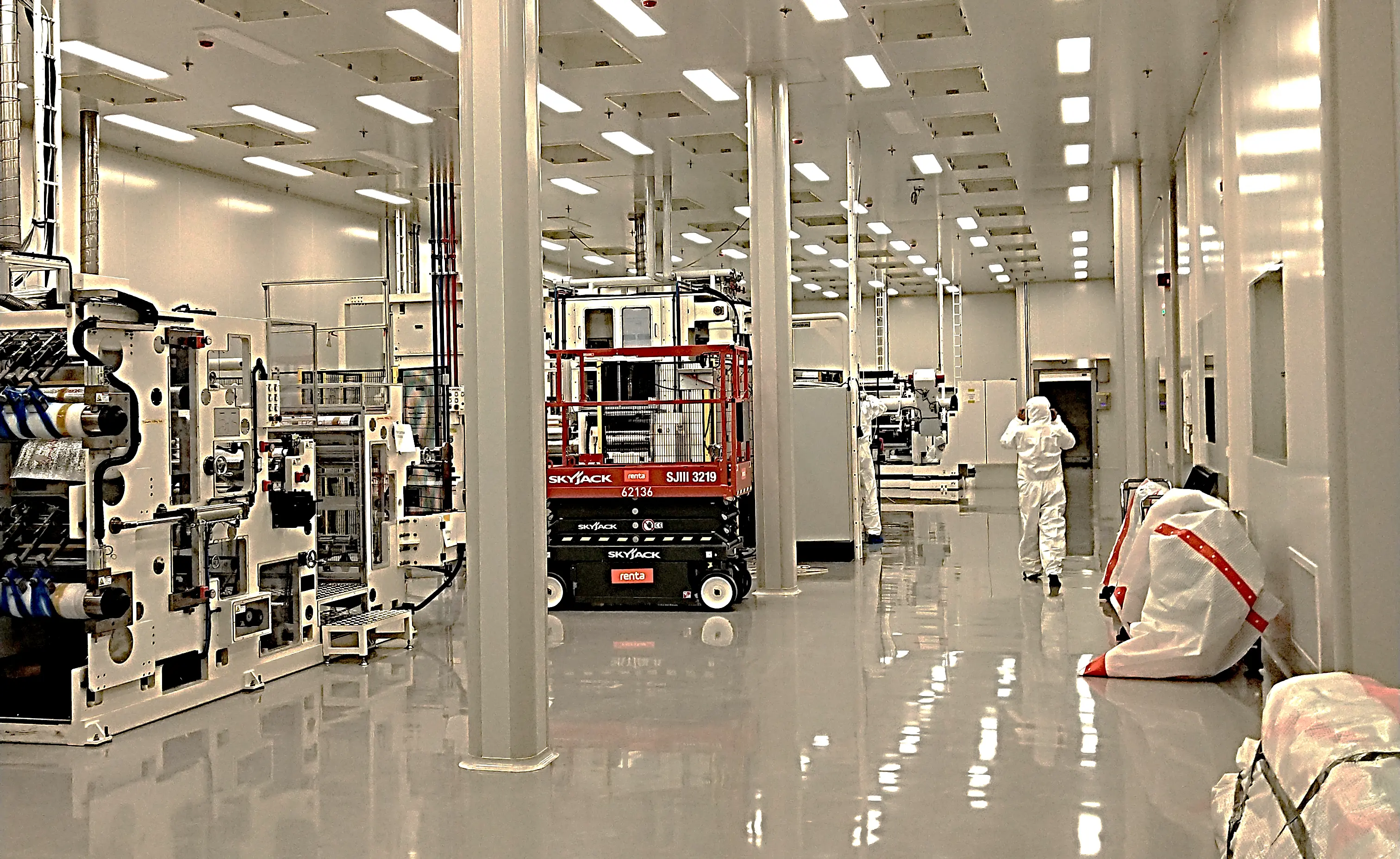
Turnkey Dry Room Project Serving Tokyo EPC Turnkey

Turn-Key Battery Dry Room System for Tokyo

End-to-end engineered clean enclosures, structural airlocks, and psychrometric loops tailored for next-generation solid-state and lithium cell assembly lines.

Explore Dry Rooms
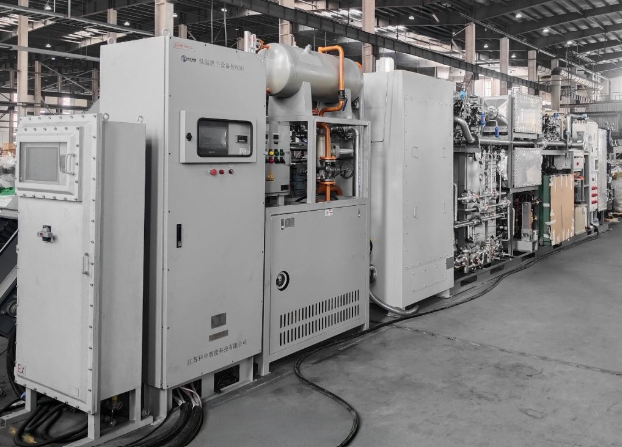
NMP Recovery System in Tokyo Chemical Sector ≥99% Yield

Tokyo Coating Line NMP Solvent Recovery

High-purity closed-loop condenser capture recovering N-Methyl-2-pyrrolidone from roll-to-roll electrode coaters, sharply slashing solvent procurement expenses.

Learn More
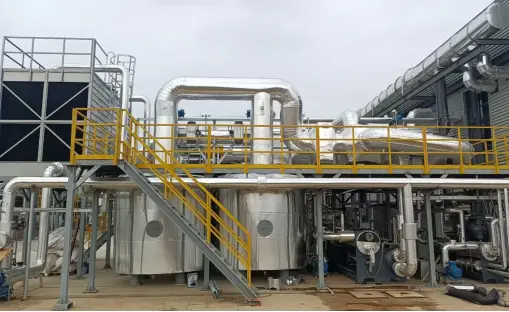
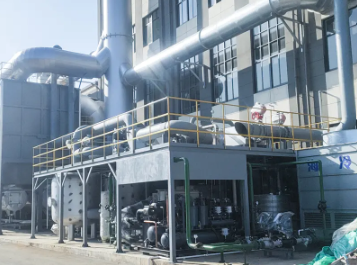
VOC Abatement System Serving Tokyo RTO + Cooling

Tokyo Standard VOC Abatement System

Combined deep-chilling condensation with regenerative thermal oxidation (RTO) destroying hazardous air pollutants and volatile hydrocarbons to zero-odor specs.

Learn More
Engineering Whitepaper Analysis

VOC Abatement Architecture: Navigating Tokyo's Industrial Frontier

Addressing dense urban-industrial zoning, the Tokyo Metropolitan Air Pollution Control Ordinance, and the strategic push toward net-zero manufacturing.

Tokyo Industrial Realities & The Keihin Belt

The Greater Tokyo Area, anchored by the Keihin and Keiyo industrial corridors around Tokyo Bay (encompassing Kanagawa, Tokyo, and Chiba prefectures), accommodates one of the highest concentrations of precision electronics, specialty chemicals, optical coating, and automotive research facilities globally. Operating inside this dense ecosystem involves conforming to the rigorous Tokyo Metropolitan Environmental Security Ordinance and national Air Pollution Control Act regulations.

Unlike rural manufacturing campuses, Tokyo plants face stringent boundary emission thresholds, total hydrocarbon limits, and aggressive non-methane VOC (NMVOC) targets. Space economy is paramount: systems require a compact footprint, whisper-quiet sound attenuation, zero optical plume, and multi-stage fail-safe interlocks to operate seamlessly alongside commercial and residential neighbors.

Global Technological Vectors & Decarbonization

Historically, end-of-pipe thermal oxidizers operated as high-carbon fuel consumers. Today, industrial procurement demands self-sustaining thermochemical oxidation. Integrating hydrophobic zeolite concentration rotors allows low-concentration, high-volume exhaust to concentrate 10 to 30 times, reducing fuel utility draw in the oxidation chamber by up to 85%.

Concurrently, the worldwide boom in EV battery gigafactories and aerospace composite curing demands secondary heat extraction. Modern RTO architectures leverage multi-bed ceramic matrices capable of achieving greater than 95% thermal recovery efficiency (TRE), recycling exothermic energy directly back into upstream drying tunnels or building climate circuits.

Procurement Demands: Tier-1 Rigor

Global procurement directors from Tokyo to Stuttgart no longer evaluate exhaust treatment in isolation. The evaluation rubric focuses heavily on Total Cost of Ownership (TCO), Mean Time Between Failures (MTBF), and continuous automated emission monitoring (CEMS). Turnkey suppliers must verify mechanical integrity under strict international codes including CE, UL, CSA, ASME, and EAC.

Furthermore, enterprise clients mandate real-time PLC telemetry with remote diagnostics, anti-clogging rotor washdown protocols, and rapid swap-out engineering to ensure manufacturing uptime is never compromised during batch production runs.

Industry 4.0 & China Supply Chain Resilience

DryAir leverages high-precision Chinese smart manufacturing to deliver unmatched supply chain agility. Rooted in Qingshan Industrial Park, our digital production lines integrate automated laser cutting, robotic welding cells, and fully instrumented psychrometric verification tunnels. This achieves a monthly factory velocity exceeding 200 modular units.

By coupling deep local vertical integration—from precision balancing rotors to in-house PLC coding—with global logistical channels connecting directly to the Port of Tokyo, we compress project lead times by 30-40% compared to legacy European or domestic Japanese suppliers, all while preserving aerospace-grade quality standards.

Precision Deployment

Targeted Tokyo Bay Industrial Applications

Engineered solutions calibrated for high-density, mission-critical production facilities across Tokyo, Yokohama, and Chiba.

Semiconductor & Wafer Lithography

Capturing trace aromatic compounds, IPA, and PGMEA from photoresist spin-coaters and baking ovens. Rotor-concentrator RTO setups guarantee ≥99% destruction efficiency without sub-micron particle back-migration.

Lithium-Ion & Solid-State Batteries

Closed-loop NMP recovery during cathode slurry drying, combined with ultra-low dew point (-70°C) air management for electrolyte injection rooms, ensuring zero hazardous atmospheric discharge in metro zones.

Pharmaceutical & Fine Synthesis

Treatment of multi-solvent organic off-gases (ethanol, acetone, ethyl acetate) across GMP clean zones. Tailored deep-cooling pre-condensation followed by catalytic polishing prevents toxic atmospheric emissions.

Engineering Matrix

Technical Abatement Matrix & Performance Bounds

Compare core thermodynamic methodologies across volatile emission handling, flow rates, and thermal efficiency ratings.

Methodology Architecture Applicable Concentration Airflow Capacity Destruction / Recovery Efficiency Energy Efficiency / TRE
Zeolite Rotor + RTO Low-to-Medium (100–1,500 mg/m³) 5,000 – 150,000+ Nm³/h ≥ 98.5% – 99.5% Destruction ≥ 95% Thermal Recovery
Condensation + Absorption High Concentration (>5,000 mg/m³) 1,000 – 30,000 Nm³/h ≥ 99% Solvent Yield (e.g. NMP) Secondary Chiller Heat Capture
Catalytic Oxidizer (CO) Medium (1,000–4,000 mg/m³) 2,000 – 40,000 Nm³/h ≥ 98.0% Destruction Operates at lower ignition (300–400°C)
Direct Thermal Oxidizer (TO) Extreme / Halogenated Loads 1,000 – 20,000 Nm³/h ≥ 99.9% Combustion Steam boiler integration required
Comprehensive Portfolio

Integrated Solutions Serving Tokyo & Global Markets

Full system deployment covering specialized environmental control, solvent reclamation, and moisture control machinery.

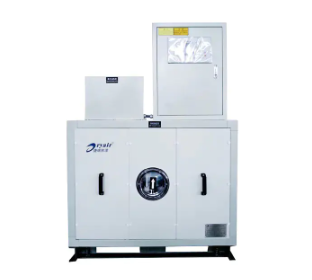
Tokyo Desiccant Dehumidifier Systems -70°C DP

Tokyo Desiccant Dehumidifier Systems

Heavy-duty industrial rotary desiccant units achieving relentless dry-air conditions for lithium cell assembly, defense depots, and pharmaceutical packaging.

View Product
Turnkey Dry Room System Tokyo Projects Turnkey Modular

Tokyo Turnkey Clean Dry Room Facilities

Fully integrated cleanroom envelopes engineered to control humidity down to -70°C dew point, complete with airtight pass-throughs and integrated ductwork.

View Product
NMP Recovery Plant Serving Tokyo ≥99% Recycled

Tokyo Precision NMP Recovery Facilities

Advanced multi-stage gas cooling condensation apparatus engineered to isolate and recycle NMP solvents from electrode exhaust streams with ≥99% recovery.

View Product
Tokyo Industrial VOC Abatement Plant RTO & Rotor

Tokyo Urban VOC Destruction Equipment

Zeolite wheel adsorption paired with regenerative thermal oxidizers guaranteeing ultra-low NOx and VOC destruction exceeding stringent municipal guidelines.

View Product
High COP

Tokyo Energy-Efficient Refrigerative Chillers

Economical bulk air dehumidification and pre-cooling equipment built for logistics warehouses, printing plants, and pre-treatment air handling stations.

View Product
Pharma Dehumidification Tokyo GMP Grade

Tokyo Pharmaceutical Environmental Air Handling

Precision relative humidity controllers engineered for effervescent tablet production, capsule sealing, and active pharmaceutical ingredient synthesis.

View Product
Tokyo Petrochemical VOC System Condensation

Tokyo Oil-Gas Condensation Vapor Treatment

Multi-stage refrigerated separation apparatus trapping hydrocarbon vapours from storage tanks, port loading bays, and chemical distribution pipelines.

View Product
Continuous Electrode NMP System Tokyo Continuous 24/7

Continuous Gigafactory NMP Recovery for Tokyo

Heavy industrial distillation and solvent collection loops ensuring zero downtime during round-the-clock roll-to-roll electrode coating runs.

View Product
Buyer Inquiries

Frequently Asked Questions: Global & Tokyo Implementation

Clear technical clarity on local regulations, operational dew points, overseas certifications, and international EPC deployment.

How do DryAir VOC abatement systems comply with Tokyo environmental regulations?
Our systems are specifically calibrated to meet both the national Japanese Air Pollution Control Act and the strict Tokyo Metropolitan Environmental Security Ordinance. By combining high-ratio hydrophobic zeolite concentration rotors with high-efficiency 3-bed RTOs, we achieve total hydrocarbon (THC) destruction efficiencies exceeding 99% with trace emission concentrations well below Tokyo’s stringent industrial boundary thresholds.
What is the lowest achievable dew point with DryAir desiccant systems?
DryAir rotary desiccant dehumidifiers consistently supply air down to a verified -70°C dew point (equivalent to less than 0.002 g/kg moisture content). This performance level is essential for high-yield lithium metal, solid-state battery assembly, and moisture-critical semiconductor fabrication.
Can DryAir deploy complete turnkey clean dry rooms in Tokyo and worldwide?
Yes. DryAir provides complete turnkey EPC execution covering project scoping, aerodynamic simulation, mechanical manufacturing, on-site erection, commissioning, and final validation. We have delivered successful projects for global industry leaders including Tesla, Northvolt, and TTI across Europe, the Americas, and the Asia-Pacific corridor.
Which international certifications and design standards do your systems hold?
All equipment can be custom-configured and certified to CE, UL, CSA, ASME, and EAC standards depending on destination requirements. DryAir operates strictly within ISO 9001 quality management guidelines and the rigorous GJB national military standard framework.
What solvent recovery efficiency is reached on electrode coating lines?
DryAir NMP solvent recovery systems guarantee a solvent recovery rate exceeding 99% under steady continuous operation. This closed-loop configuration drastically lowers raw material procurement costs and ensures full compliance with hazardous substance emission directives.
What after-sales and engineering support is available for plants in Tokyo?
We provide overseas clients with optional comprehensive two-year service contracts, real-time remote telemetry diagnostics, immediate consumable and spare part dispatch, and dispatched engineering support teams for rapid on-site maintenance.
Direct Engineering Consultation

Deploy Compliant, Energy-Efficient VOC & Humidity Systems

Connect directly with our senior application engineering team to calculate load balance, verify Tokyo emission standards, or receive a customized psychrometric system blueprint within one business day.